Evidence places the transition toward domesticated sorghum in northeastern Africa; timing and pathways continue to be refined.
Heritage profile · 04Northeastern Africa
Sorghum
Sorghum bicolor
ATLAS PLATE 04
FamilyPoaceaeFormAnnual or short-lived perennial cerealNative rangeAfrica & Indian subcontinentCollectionDG–SG–004
The grain at a glance
“A tall grass shaped for heat, movement, and many tables.”
OriginNortheastern AfricaKnown forDryland resilience and diversityUsed asPorridges, flatbreads, drinks, popped grain
01
Origin & landscape
Born where rain
cannot be promised.
Sorghum was domesticated in northeastern Africa from wild relatives adapted to seasonally dry tropical landscapes. Archaeological and genetic evidence points to a long transition rather than a single place or date.
Farmers selected plants for non-shattering seed heads, grain qualities, maturity, height, and many other purposes. Their work produced a crop of extraordinary visual and culinary diversity that later traveled across Africa, Asia, and beyond.
Language atlas
One crop,
many vocabularies.
Sorghum belongs to hundreds of languages and local crop systems. These names mark only a few routes through that living diversity; usage and pronunciation vary by place.
01
Sorghum
English name · from Italian sorgo
02
Jowar
Widely used across South Asia
03
Durra
Arabic name used across parts of Africa and Asia
04
Guinea corn
Historical English usage in West Africa
A working chronology
Sorghum moved eastward and became established across South Asia, joining older regional farming and food traditions.
Farmers across Africa and Asia maintain landraces for grain, fodder, brewing, sweet stalks, and seasonally dry landscapes.
Living foodways
Ground,
fermented, shared.
Sorghum can be cooked whole, milled, malted, fermented, popped, or made into beverages. Texture and flavor change with grain type, decortication, fermentation, and the knowledge of the cook.
Thick porridges
Firm porridges accompany sauces and stews across many African food traditions, under distinct local names.
Flatbreads
Fermented and unfermented batters become breads such as kisra and many regional jowar rotis.
Malted drinks
Germination and fermentation transform sorghum into non-alcoholic drinks and beers with long community histories.
Material witness
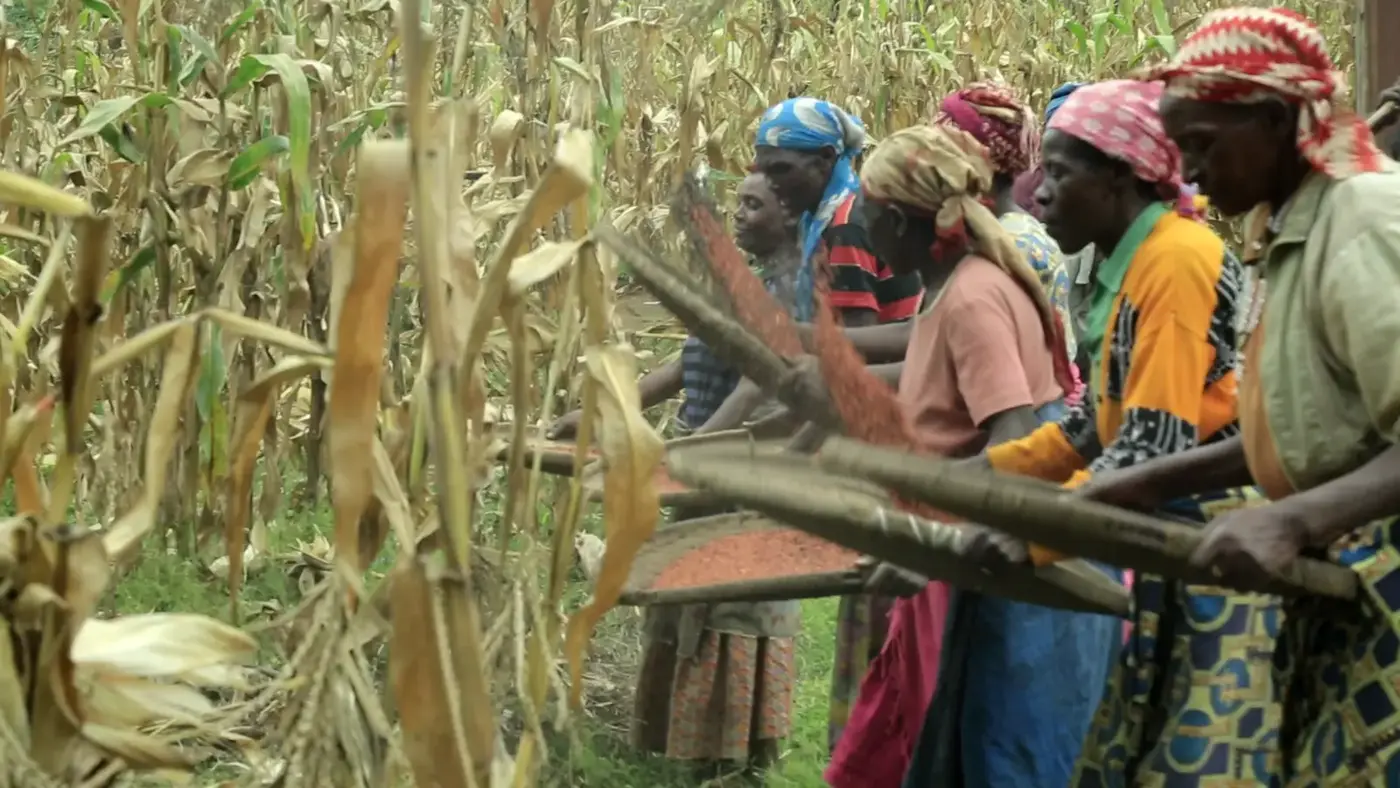
Field,
grain, table.
The documentary layer follows work as well as plants, with names, place, and authorship retained in the source record.

Nutrition & evidence
A grain shaped
by preparation.
Whole-grain sorghum supplies starch, protein, fibre, minerals, and varied plant compounds. Composition differs by cultivar, growing conditions, milling, and cooking. Fermentation, malting, decortication, and the foods served alongside it can change both texture and nutrient availability.
Editorial standardDivineGrains does not present drought tolerance or grain pigments as proof of a health outcome. People with coeliac disease should choose sorghum protected from gluten cross-contact.
Research notes
Sources behind
the story.
- Kew Science — Plants of the World Online ↗Accepted taxonomy, life form, dry-tropical biome, and native range for Sorghum bicolor.
- Frontiers in Plant Science — The road to sorghum domestication ↗Genetic and archaeological evidence for domestication in northeast-central Africa and the uncertainty around a complex process.
- FAO — Sorghum post-harvest compendium ↗Porridges, breads, malted foods, fermented beverages, and processing traditions.
- USDA FoodData Central — Sorghum foods ↗Reference nutrient data and a reminder that values depend on the specific grain product and preparation state.
Continue exploring