Before domestication
Wild and weedy amaranths were gathered and managed in the Americas. Their close relationships and continued gene flow make a single, simple domestication story unlikely.
Heritage profile · 11Mesoamerica
Amaranthus cruentus · Mexican grain amaranth
The grain at a glance
“A tiny seed with several American domestication stories—and living traditions that no single name can contain.”
Origin & landscape
Amaranth is a genus, not a single grain. This Atlas Plate centers Amaranthus cruentus, an accepted annual species native from central Mexico to Nicaragua. It is one of three principal domesticated grain amaranths of the Americas.
Genomic evidence supports separate domestication pathways for A. cruentus, A. hypochondriacus, and the Andean A. caudatus, while also revealing continued exchange with wild relatives. Archaeology, genetics, taxonomy, and living knowledge therefore answer different parts of the origin question.
Language atlas
Species, seed color, leaf use, grain use, preparation, and ceremonial context can all shape vocabulary. Local names should guide inquiry—not be flattened into interchangeable labels.
The English and Spanish umbrella names cover many species and uses. This profile centers Mexican grain amaranth, Amaranthus cruentus, rather than treating every amaranth as one crop.
A Nahuatl name associated with amaranth in central Mexican histories. Spelling and pronunciation vary across modern and historical sources.
In Mexico, alegría names both joy and a well-known sweet made with popped amaranth seed and a binder; recipes and meanings remain locally situated.
A Quechua-derived name widely associated with Andean grain amaranth, especially A. caudatus. It belongs in the wider grain-amaranth story but is not a synonym for A. cruentus in botanical writing.
South Asian names often refer to grain amaranths used in popped grain, flour, sweets, and fasting foods. These are later regional traditions, not evidence of American origin.
Working chronology
Wild and weedy amaranths were gathered and managed in the Americas. Their close relationships and continued gene flow make a single, simple domestication story unlikely.
Genomic research supports three grain-amaranth domestications from A. hybridus-related ancestry: two Mesoamerican species and one Andean species. Archaeological dates remain uneven and should not be reduced to one origin year.
A. cruentus and A. hypochondriacus became cultivated grain crops in Mesoamerica. Food, tribute, ceremony, farming, and exchange gave amaranth meanings that varied through time and place.
Colonial disruption altered Indigenous cultivation and ceremonial practice, but amaranth knowledge continued. Farmers, cooks, vendors, and seed keepers sustain and renew the crop today.
Living foodways
Heat, moisture, milling, and binding transform amaranth’s tiny seeds. Similar techniques appear in different places, but the dishes, occasions, and knowledge around them remain culturally distinct.
Dry heat makes the seeds pop. In Mexican alegría traditions, popped amaranth is bound into sweets whose ingredients, shapes, and community meanings vary.
Seeds may be simmered into soft grain dishes or added to mixed preparations. Water ratio, washing, texture, and accompaniments shape the bowl.
Milled seed enters breads, cakes, drinks, and sweets across the Americas and beyond. Later global use should be named without erasing Indigenous American histories.
Material witness
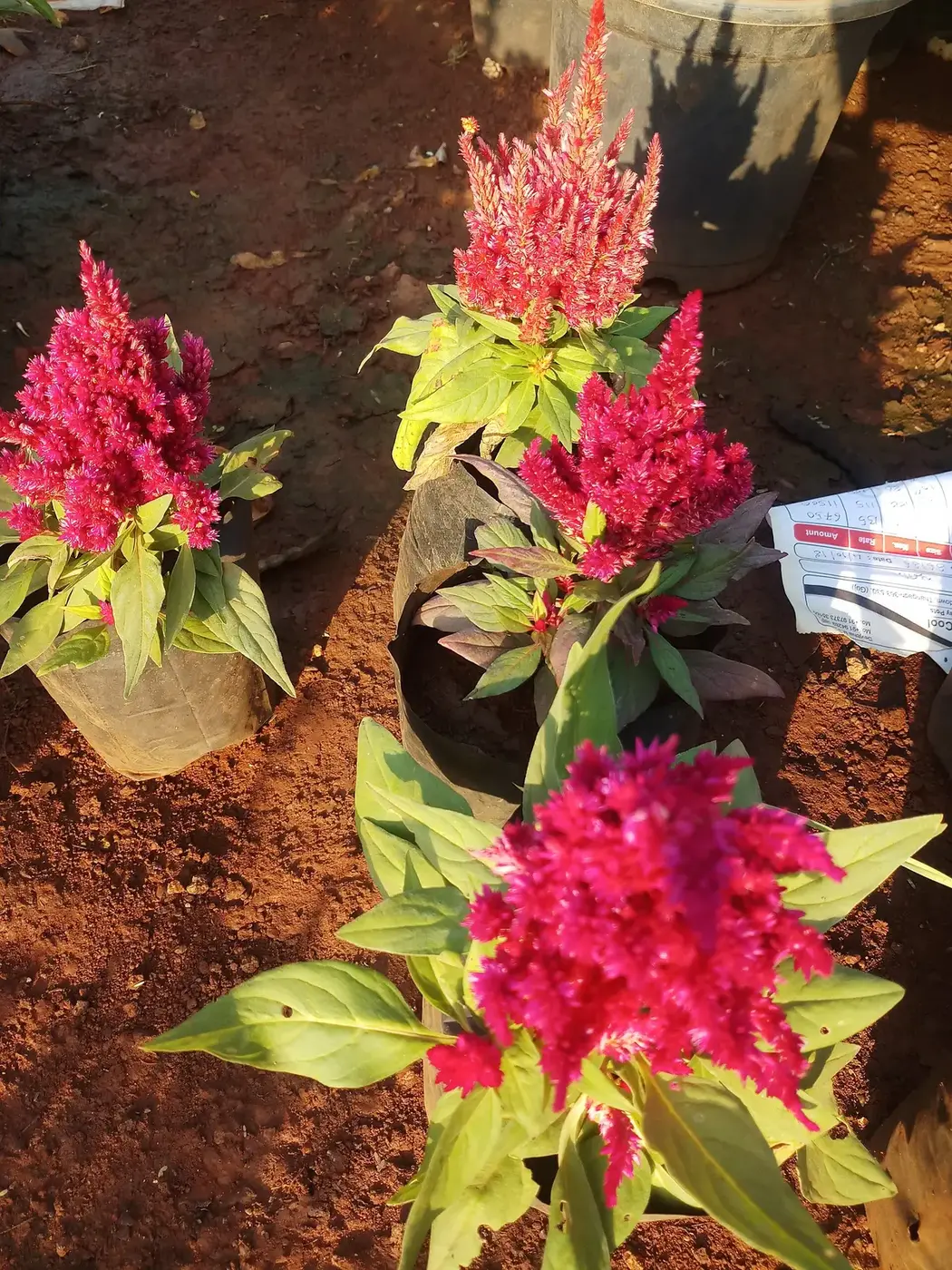
This photograph records the focus species in a named place. It is botanical documentation, not a claim that one planting represents Mesoamerican grain traditions.
Nutrition & evidence
Amaranth grain supplies carbohydrate, protein, fibre, minerals, and plant compounds. Whole seed, popped grain, flour, leaves, and sweetened products are not nutritionally equivalent. Species, processing, portion, and the rest of the meal all matter.
Research trail
Last editorial review · August 2026 Read the sourcing method →
Continue exploring
